

ARTICLE
8 Steps to Fix a Leaky Wall
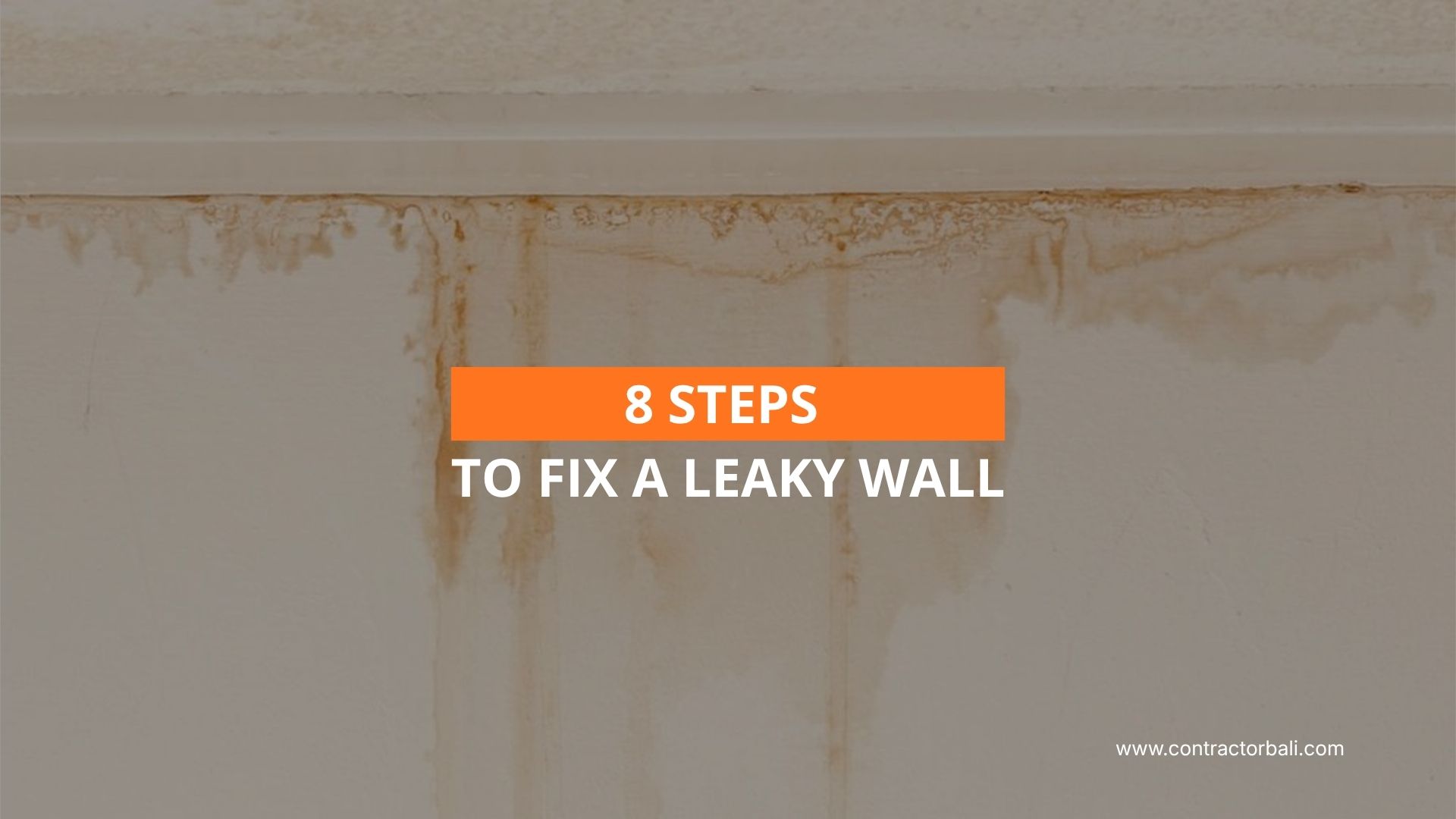
First, make sure to locate the source of the leak. If the leak occurs during the rainy season, it’s likely coming from a leaky exterior wall or roof. If the leak doesn’t occur during the rainy season, it’s likely caused by a leaky pipe or rising groundwater.
Leaky walls are a common problem in homes, especially in places with a tropical climate like Indonesia. Don’t ignore this issue in your home, because if it isn’t addressed quickly, it can cause the paint to peel, lead to mold growth, and even damage the structure over time.
What causes walls to leak?
The causes can vary rainwater, pipe leaks, groundwater, and leaks in the roof or gutters.
What is the solution for a leaky wall?
Repair the source of the wall leak and apply a waterproof coating to the affected section of the wall.
See also: Plaster is the key to smooth walls
Is it important to fix the source of the leak or moisture?
It’s very important, because if it isn’t fixed right away, it will cause further damage.
Steps to fix a leaky wall | 1. Locate the Source of the Leak (MANDATORY) | Before making repairs, first determine the cause: – Rainwater from outside (cracks in the walls / damaged plaster) – Leaking pipes – Rising groundwater (seepage from below) – Leaky gutters or roof |
|---|---|
2. Peel and Clean the Damaged Area | – Scrape off peeling paint – Remove damaged spackle – Clean off mold/moss (you can use an antifungal solution) |
3. Repair Cracks and Pores in the Walls | Fill the cracks with cement or a special filler – For large cracks → use a mixture of cement and fine sand – Make sure the wall is completely solid again. |
4. Use Waterproofing (Leak Proof)
| This is the key. Types that can be used: – Waterproofing coating – Waterproof cement (a mixture of cement and waterproofing agents) |
5. Use Water Resistant and Mildew Resistant Paint
| After the waterproofing has dried: – Use a special moisture-resistant exterior/interior paint – Choose one with mold-resistant properties This provides additional protection. |
6. Fix External Sources | For the exterior: – Add a canopy or overhang – Repair the gutters |
7. Fix Seepage from Below (Capillary Rise) | If water is seeping up from the ground: – Apply a waterproof layer to the bottom of the wall – You can also use a moisture-proof injection (for severe cases) |
8. Improve Air Circulation | – Add ventilation or air vents – Use an exhaust fan in damp areas These steps help the walls dry quickly. |
In conclusion:
– Find the source of the water seepage
– Scrape and clean the damp walls
– Repair any cracks in the walls
– Apply a waterproofing coating for added protection
– Repaint with waterproof paint to prevent seepage and dampness