

ARTICLE
6 Roof Design Recommendations for Homes
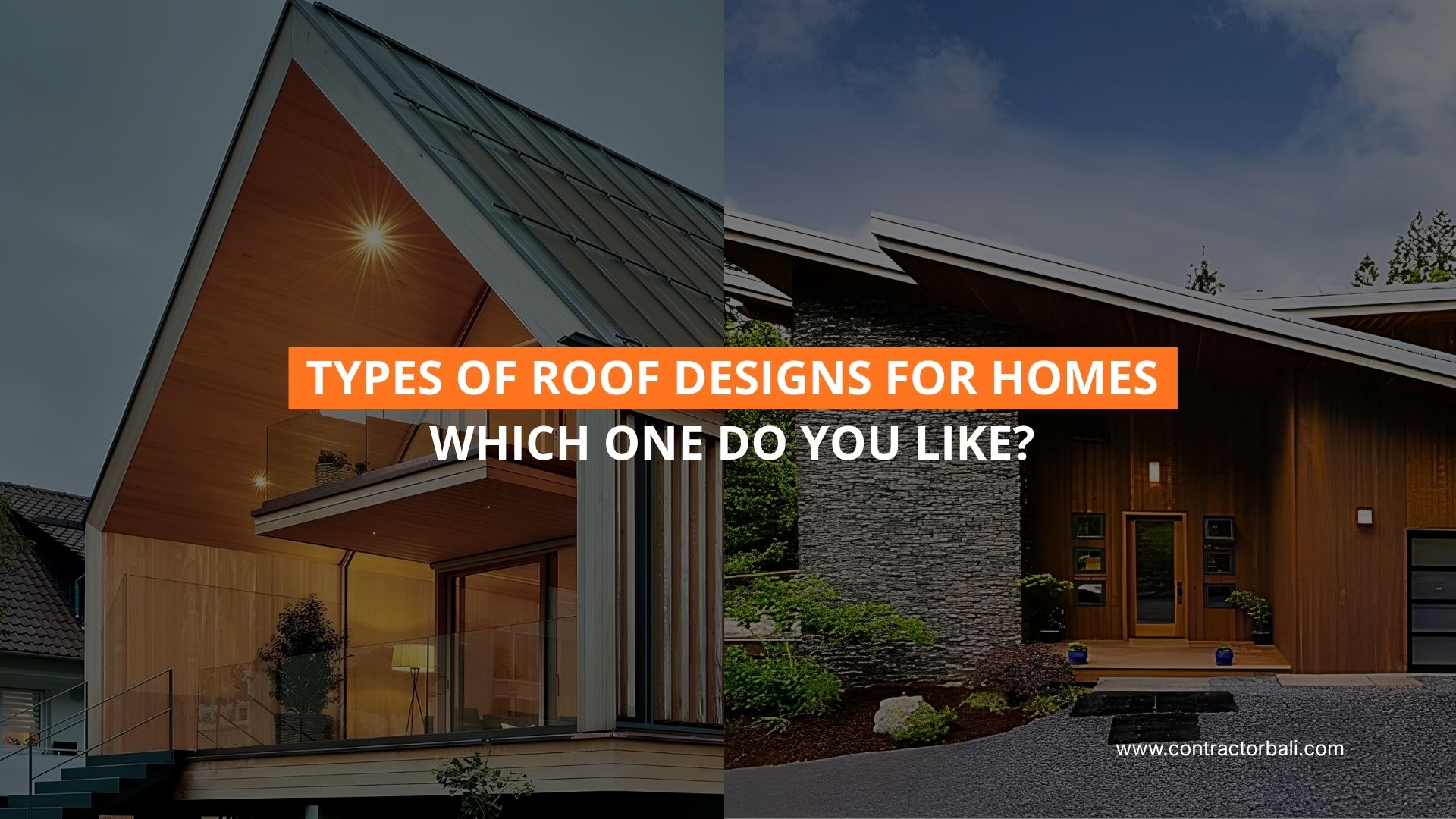
A roof is the covering of a building that serves as protection from all types of outdoor weather. Roofs play an important role in a building; in addition to their functional purpose, they can enhance a building’s aesthetic value. Building roofs come in a variety of shapes and designs; below, we’ll discuss 6 types of roof designs commonly used in buildings.
What is the function of a building’s roof?
A roof serves several important functions:
1. It provides protection from all types of weather, including sunlight, rain, wind, snow, and other unpredictable weather conditions.
2. To protect against objects that might fall onto the house, such as leaves, twigs, and unknown foreign objects falling from the sky.
3. To regulate temperature; the roof plays a role in ensuring the interior remains cool during the heat of the day and retains warmth during the cold of the night.
4. To enhance a building’s aesthetic value; roof designs come in many varieties and are tailored to match the building’s architectural style, which can make the exterior more visually appealing.
Types of Building Roof Designs
1. Gable Roof
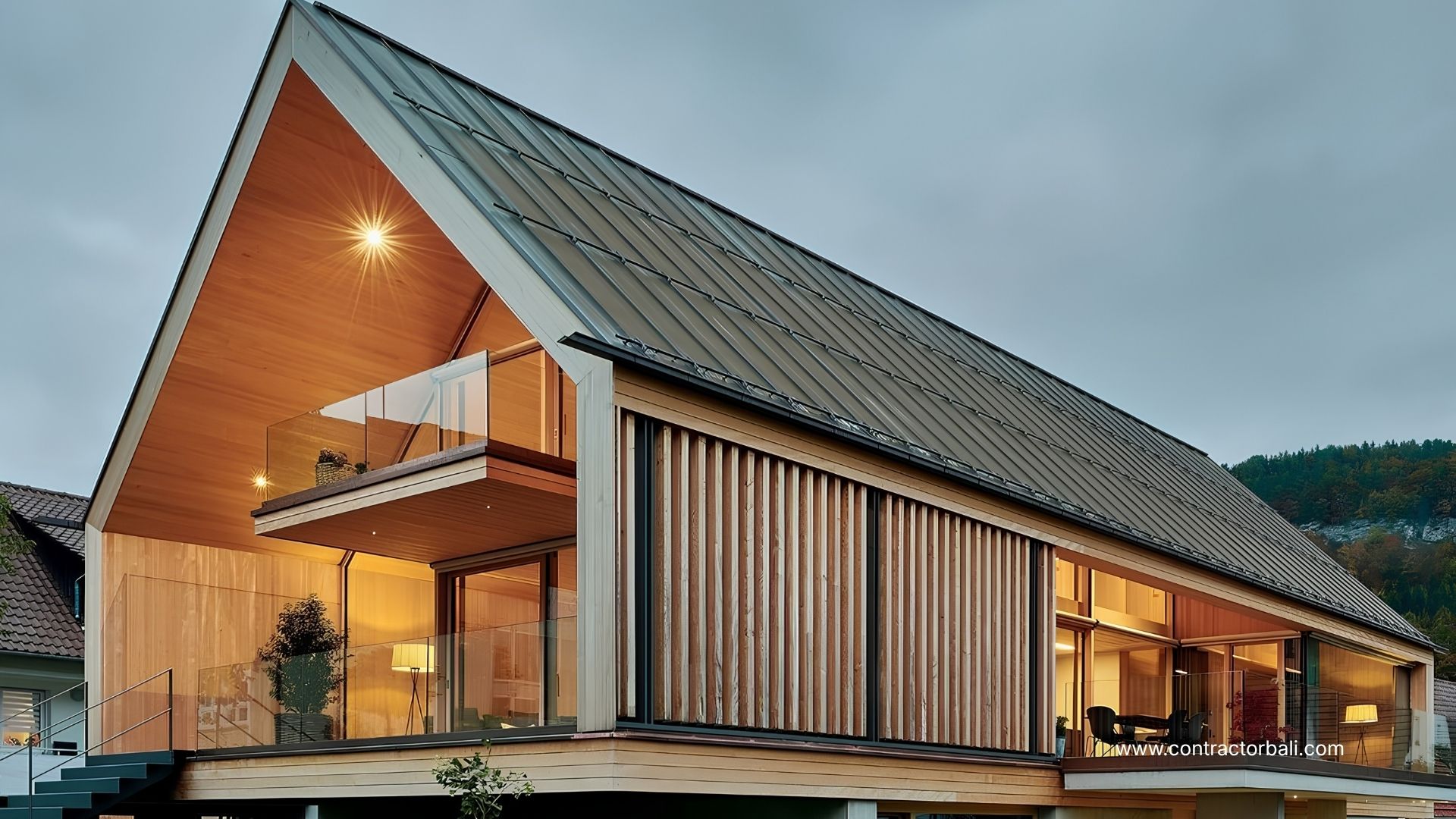
The gable roof is a very commonly used roof style in construction. This gable roof design has a very simple shape, consisting of two sloping sides supported by a straight ridge. Why is it called a gable roof? Because its appearance resembles a horse’s saddle; gable roofs typically have a slope of between 30 and 40 degrees. Homes with gable roofs typically use wooden frames, light-gauge steel, or concrete frames. Because the triangular shape of a gable roof makes it highly versatile, it’s suitable for a wide variety of building designs.
Quick Summary |
|---|
– Simple roof shape – Very easy to build – Rainwater drains quickly – Suitable for small to medium-sized homes |
2. Pyramid Roof (Limas / Hip Roof)
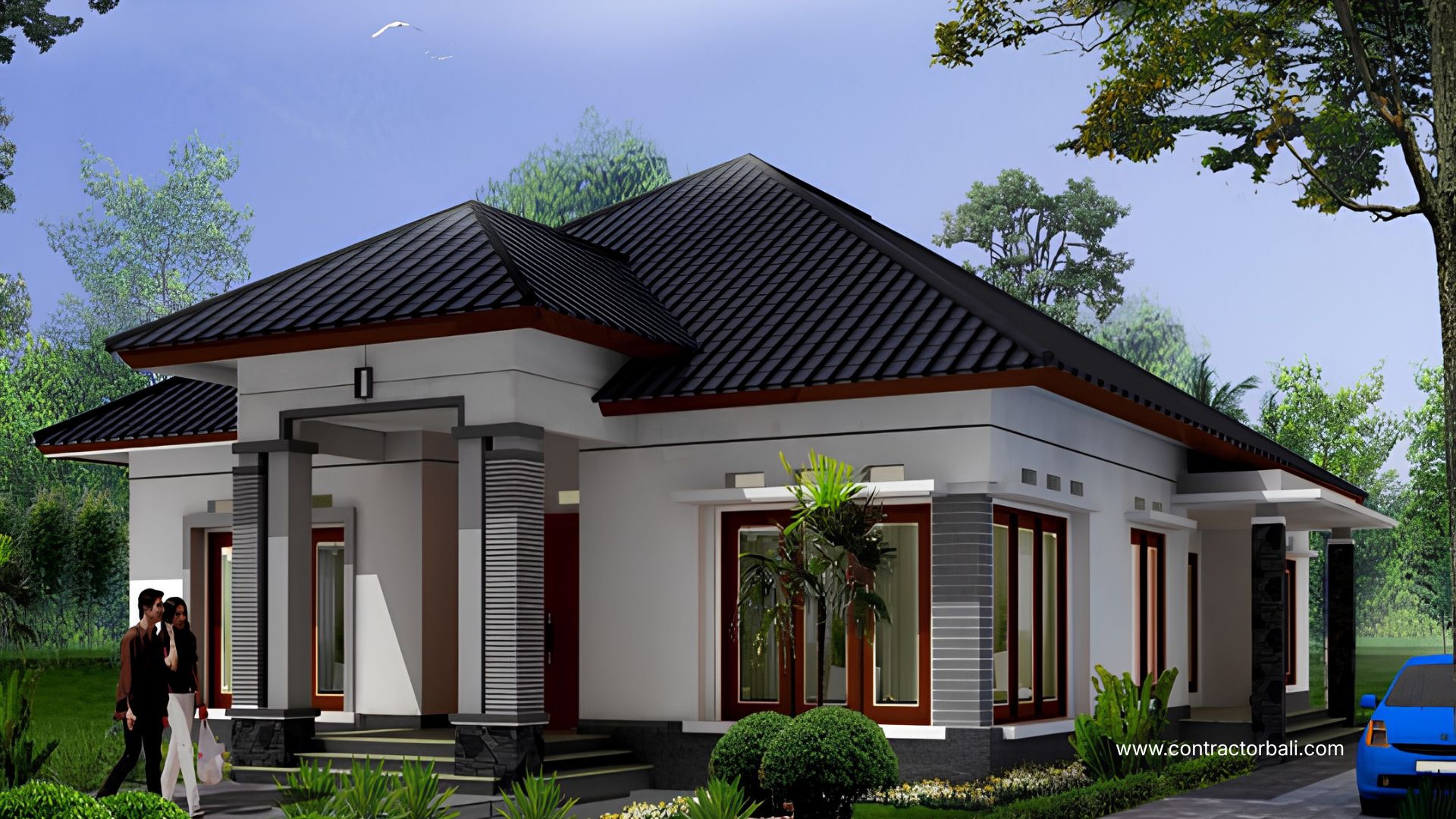
A pyramid roof is a roof design featuring four sloping sides that converge at a peak resembling a pyramid. This type of roof is resistant to strong winds and has an elegant, well-proportioned appearance. It is an excellent choice for homes because its multiple sides allow for better air circulation, keeping the house cooler.
Quick Summary |
|---|
– More resistant to strong winds – More elegant appearance – Suitable for large homes, villas, or modern homes – Good air circulation – Strong and stable |
3. Flat Roof
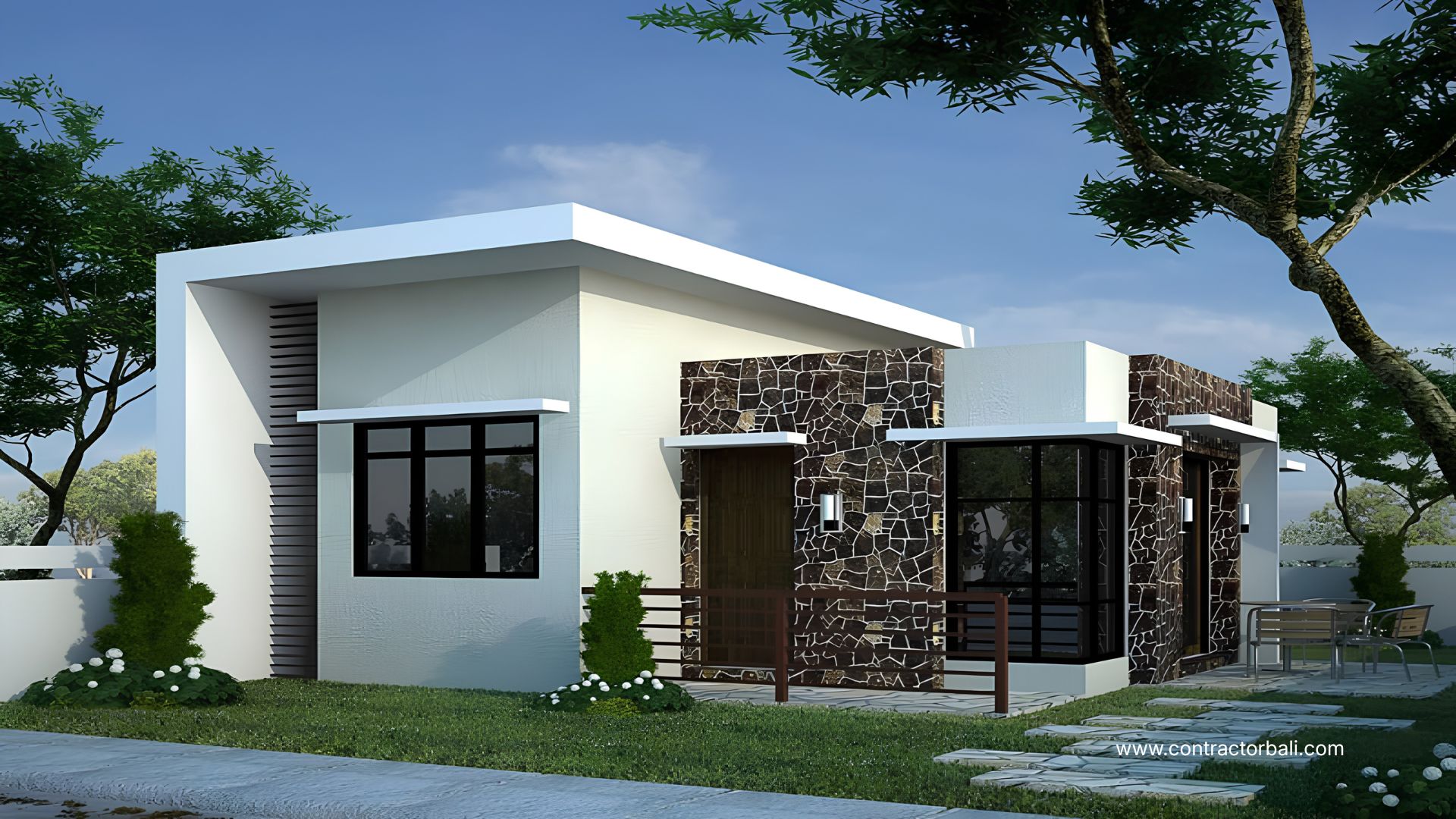
A flat roof is a type of roof with a flat surface; it is designed with a slight slope of about 10 degrees. This type of roof is ideal for regions with a warm climate and low rainfall. Currently, many buildings incorporate a flat-roof design concept because it requires fewer materials and offers a simpler appearance without compromising functionality.
Quick Summary |
|---|
– Suitable for modern/minimalist home designs – Contemporary design – Can be used as a rooftop or relaxation area – Must have a good drainage system (to prevent leaks) |
4. Standard Roof
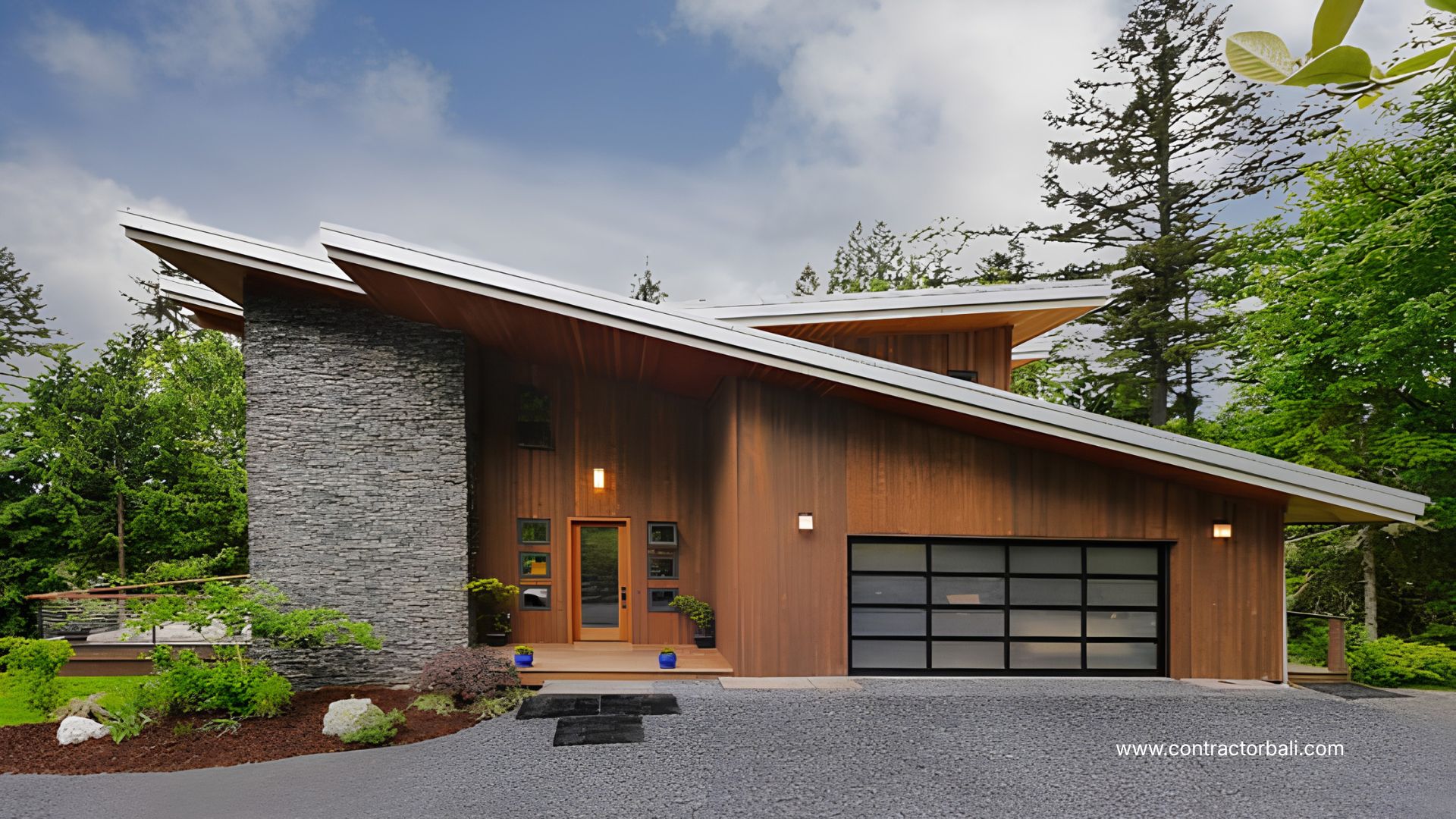
A standard roof is a type of roof designed to be attached to the walls. Since the roof frame is directly attached to the house’s walls, the roof’s pitch ranges from 20 to 40 degrees. The finished appearance of this roof features two sides of different heights, designed so that rainwater can flow down and be directed toward the downspout.
Quick Summary |
|---|
– Simple design – Saves on materials and costs – Suitable for additional spaces such as garages, patios, and back kitchens |
5. Combination Roofs
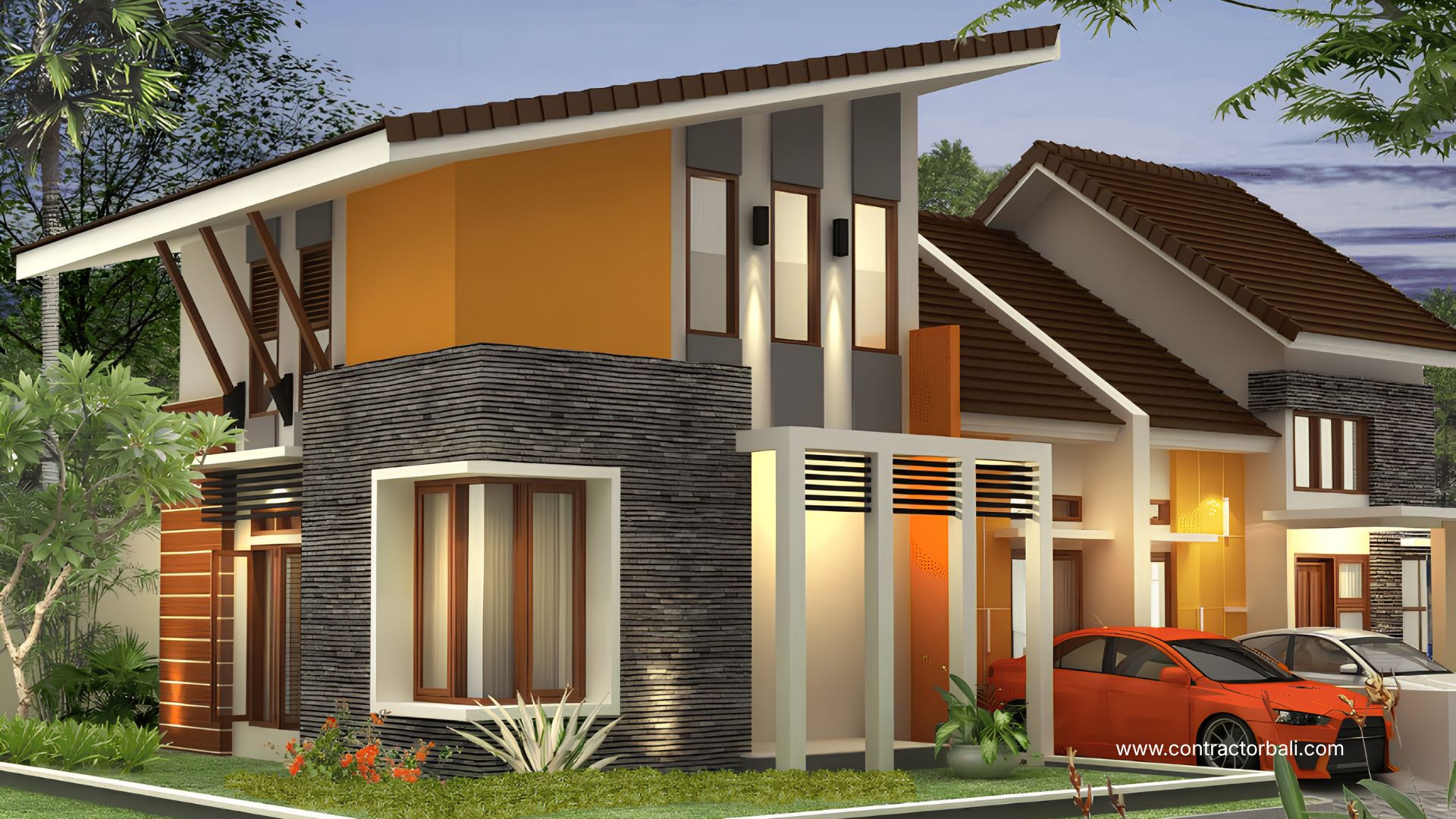
A combination roof is a type of roof that combines two or more roof styles in a single building. This style can give a building a more aesthetic and unique appearance compared to one that uses a single roof style. Common examples of combined roof designs include: a gable roof and a standard roof, or a hip roof and a shed roof.
Quick Summary |
|---|
– A home appearance that stands out from others – More flexible design – Enhances aesthetic value |
Conclusion:
- Gable Roof (the simplest and most economical)
- Hipped Roof (stronger and more elegant)
- Flat Roof (a modern trend)