

ARTICLE
What Is the Difference Between Plywood and Multiplex? Learn About Their Types, Characteristics, and Uses
Plywood and multiplex are engineered wood materials that differ in thickness; these materials are commonly used in building construction and furniture manufacturing.
These materials consist of thin sheets of wood bonded together in multiple layers to form a single unit and are available in several types with standardized thicknesses. Here is a detailed explanation of the differences between plywood and multiplex:
What Is Plywood?
Plywood is the term for a laminated wood panel consisting of three thin layers of wood. Plywood is made by gluing three thin layers of wood together and then pressing them to form a sheet of a specific thickness.
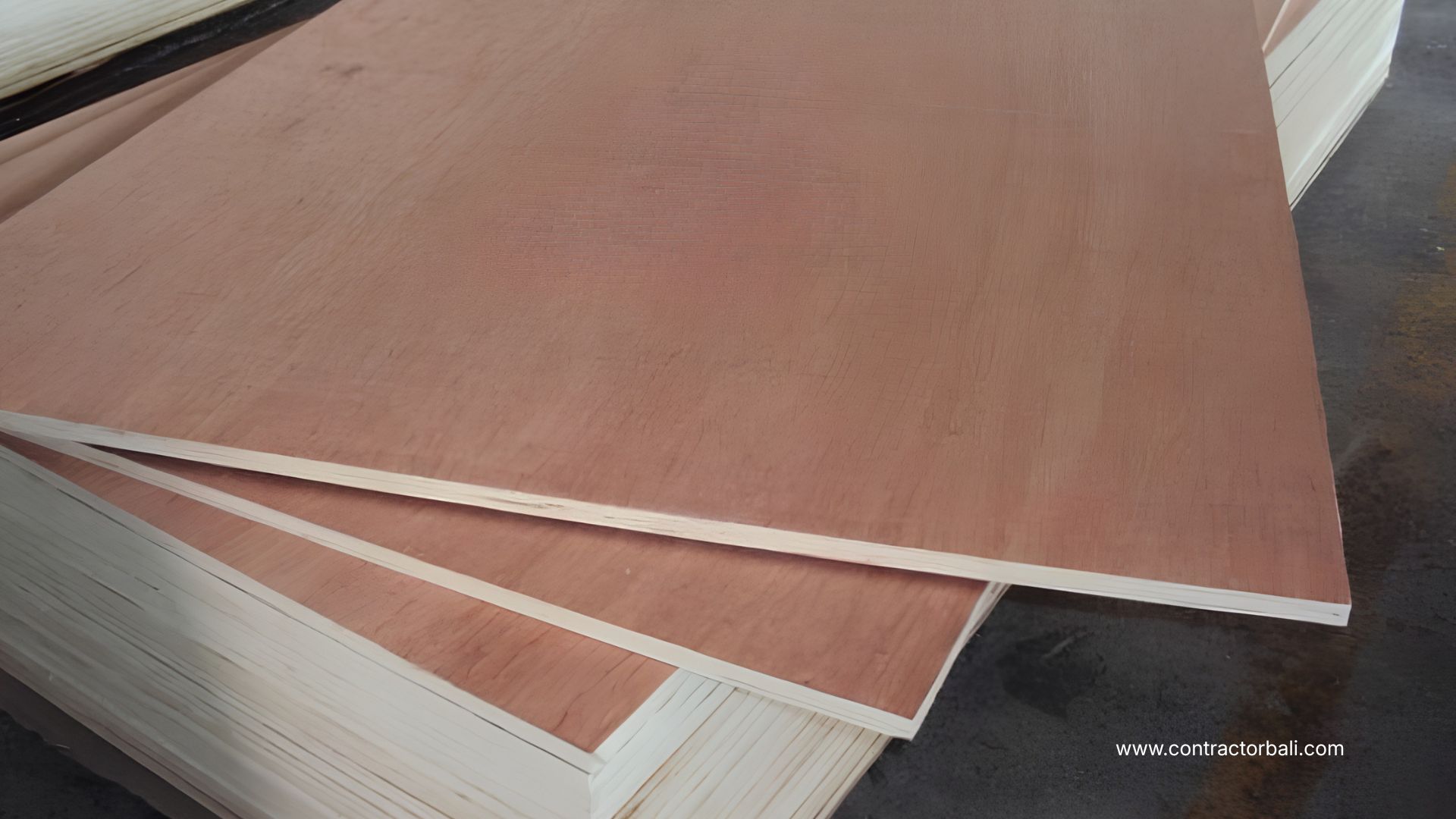
Characteristics of plywood:
- Available in various sizes and thicknesses.
- Has a surface that can be finished.
- Relatively lightweight compared to some solid wood materials.
- Easy to cut and shape.
Suitable for furniture and light interior work, depending on the product’s quality.
Uses of plywood:
- Making cabinet backs.
- Furniture drawers and dividers.
- Interior wall paneling.
- Wooden crafts.
- Various room decoration needs.
What Is Multiplex?
Multiplex is a laminated wood material made from several thin layers of wood glued together in a cross-grain pattern. The cross-grain arrangement of the wood layers is intended to increase strength and stability, allowing it to better withstand loads. Multiplex has more layers than particleboard; the number of layers can vary depending on the thickness and specifications of the material.
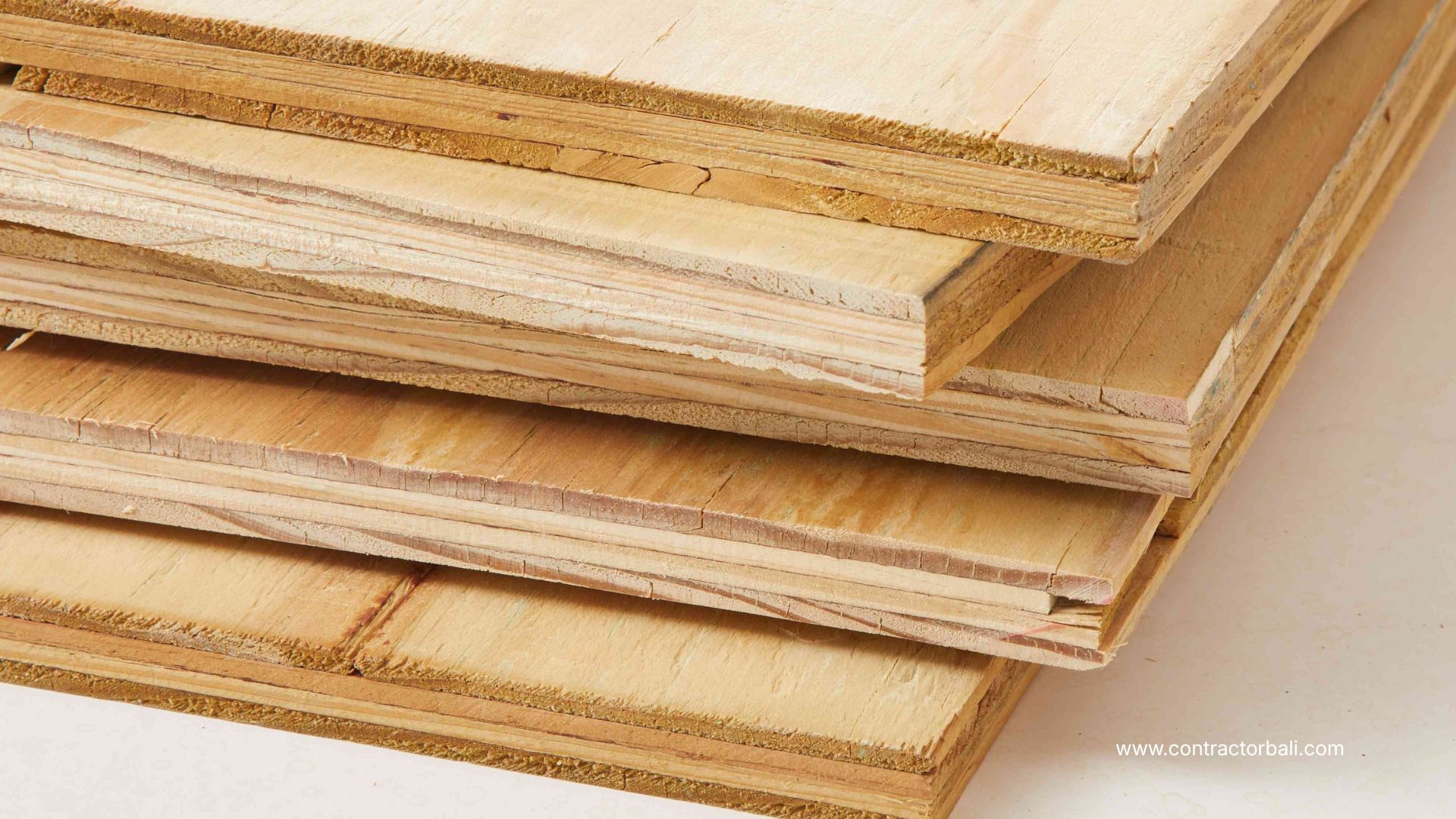
Characteristics of multiplex:
- Consists of several thin layers of wood.
- The grain directions between layers are arranged crosswise.
- Has a relatively strong and stable structure.
- Available in various thicknesses.
Can be used for furniture and interior design projects that require a sturdier construction.
Uses of plywood:
- Making wardrobes.
- Desks and dining tables.
- Storage shelves.
- Kitchen sets.
- Cabinetry and various household furniture.
- Building interior applications.
Conclusion
- Plywood consists of three layers of wood glued together and is often used for structural applications such as floors and walls.
- Multiplex consists of more than three layers of wood, providing greater strength and stability, and is often used for furniture and building components.
FAQ
What thicknesses of plywood and multiplex are available?
The thicknesses of plywood on the market vary. Some common sizes include 3 mm, 4 mm, 6 mm, 9 mm, 12 mm, 15 mm, and 18 mm. Availability may vary depending on the manufacturer and product type.
Are plywood and multiplex water-resistant?
Not all plywood and multiplex are water-resistant. Water resistance depends on the type of adhesive used, the surface protective coating, the board edges, and high-quality manufacturing.
Which Is Stronger, Plywood or Multiplex?
The strength of plywood or multiplex cannot be determined based on their names or the number of layers. The factors that determine the strength of plywood or multiplex are the raw materials used for the wood layers, the layer arrangement, the type of adhesive, and the manufacturing process—specifically, the pressing process that binds the layers into a single unit.
Some factors to consider include:
- Number of layers: The number of layers and their arrangement affect the board’s characteristics.
- Type of wood: Different types of wood can result in different strength and weight characteristics.
- Adhesive quality: A high-quality adhesive helps maintain the bond between layers.
- Construction density: A tight and even layer arrangement helps improve the board’s stability.
- Production quality: The pressing and drying processes affect the final quality.
If used for furniture that requires structural strength, choose multiplex with specifications appropriate for the load and conditions of use.