

ARTICLE
The Secrets of STRONG Construction: Types of Sand and Their Uses!
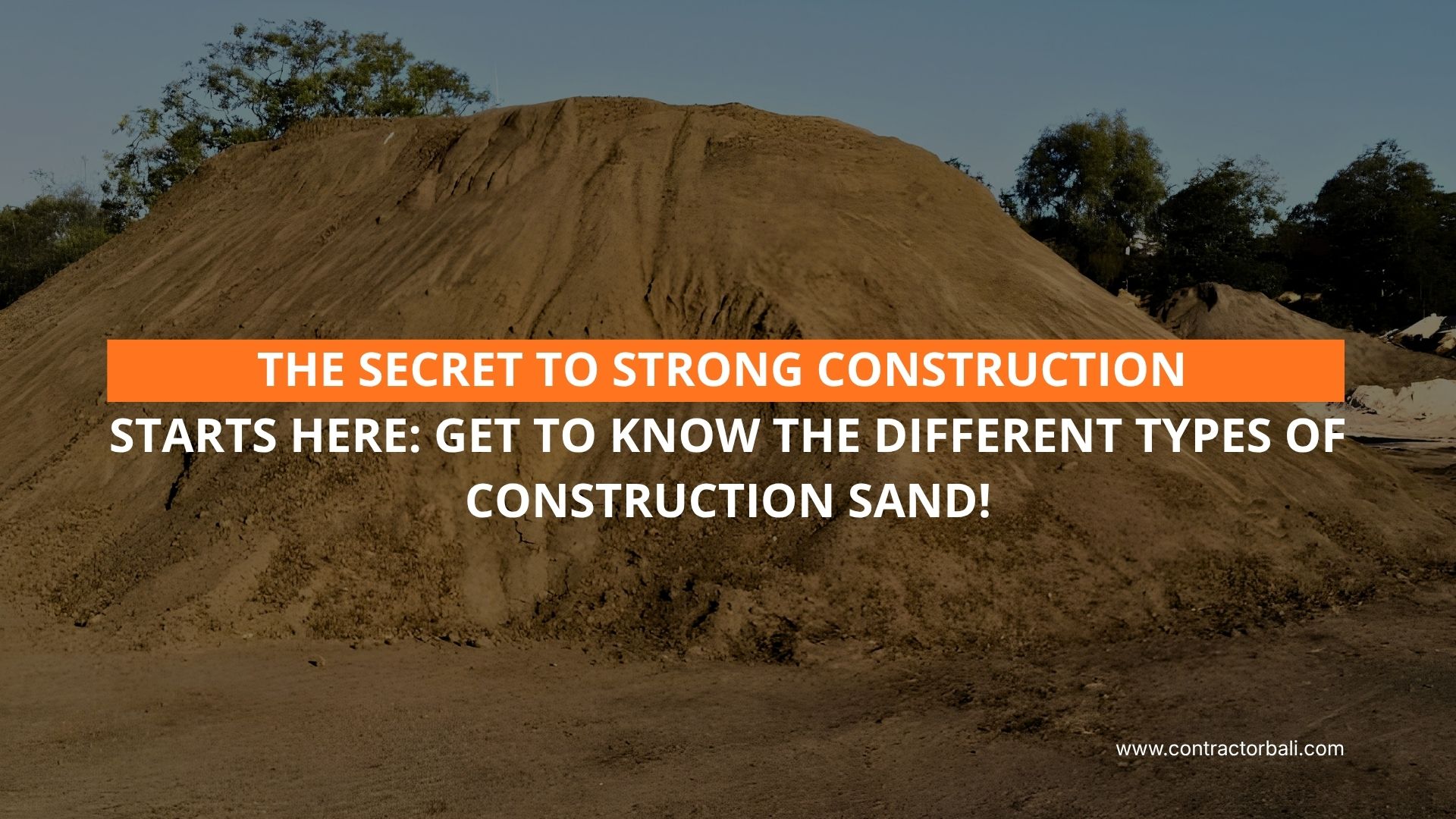
Sand is a fine grained material resulting from the weathering of rocks that is used in building construction. In construction, sand plays an important role because it is used as an aggregate in the production of concrete foundations, plaster, render, backfill (soil leveling), and mortar for brick walls.
There are many types of sand, and each serves a specific purpose depending on its grain size and purity. The following section explains several types of sand used in building construction.
See also: Site-mixed concrete and site-mixed
What is the function of construction sand?
It is used in concrete mixes to fill the smallest voids between the coarse aggregates (small stones) to strengthen the concrete.
What is sand used for?
- For land filling (land leveling)
- For concrete mixes
- For plaster mixes
- For render mixes
Types of Sand for Construction
1. Concrete Sand
Concrete sand is often used in the construction of building structures because its coarse, sharp-edged grains enhance the adhesion between fine sand and cement in the mixture.
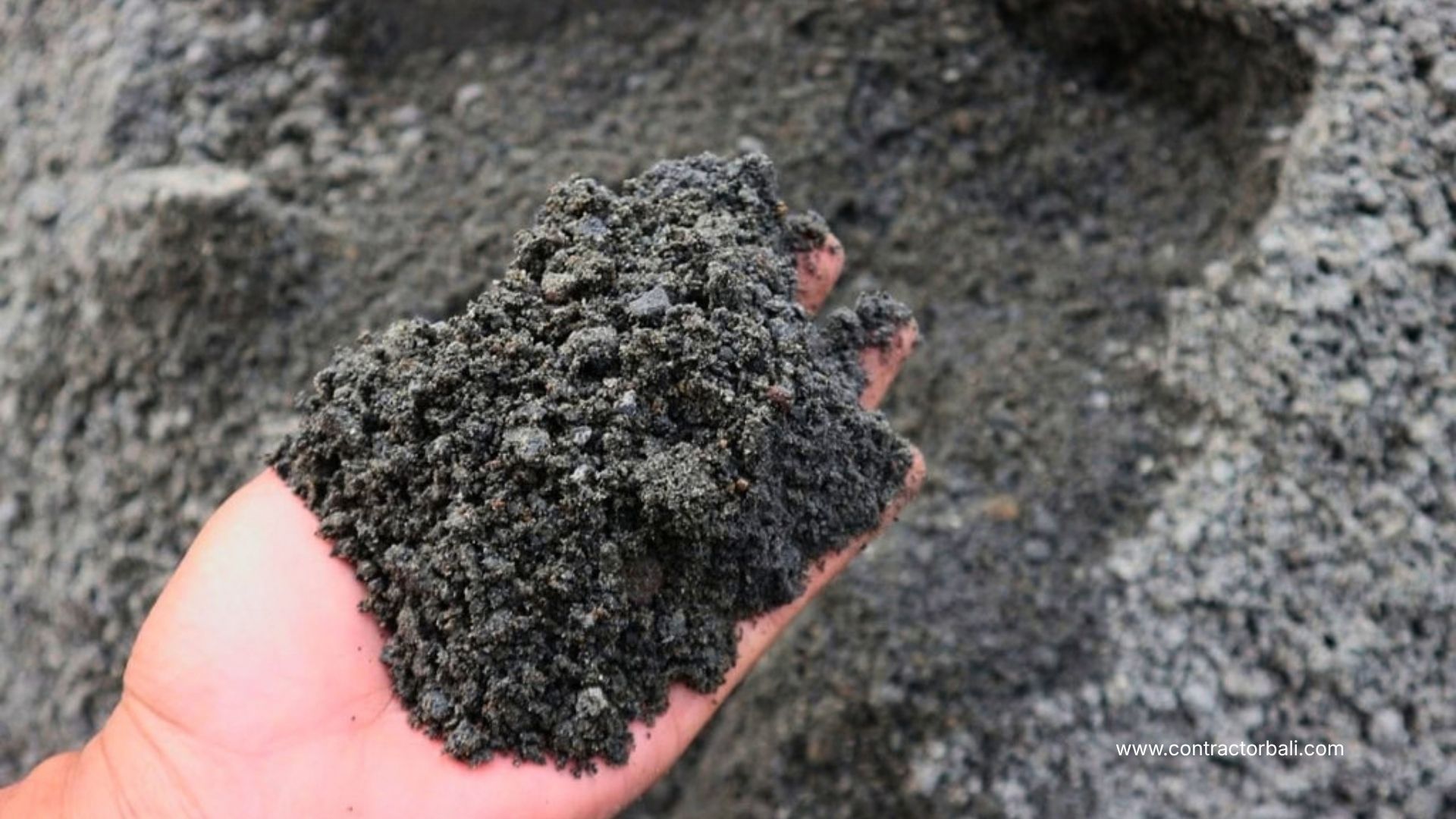
Advantages | Disadvantages | Used for |
|---|---|---|
+ Strong bonding with cement + Ideal for structural work | – Not suitable for finishing materials | * Concrete casting (columns, beams, and floors) * Foundation work |
2. Masonry Sand
Masonry sand is a type of sand with finer grains than concrete sand. This sand has a low silt content, which makes it prone to clumping and ideal for plastering or bricklaying.
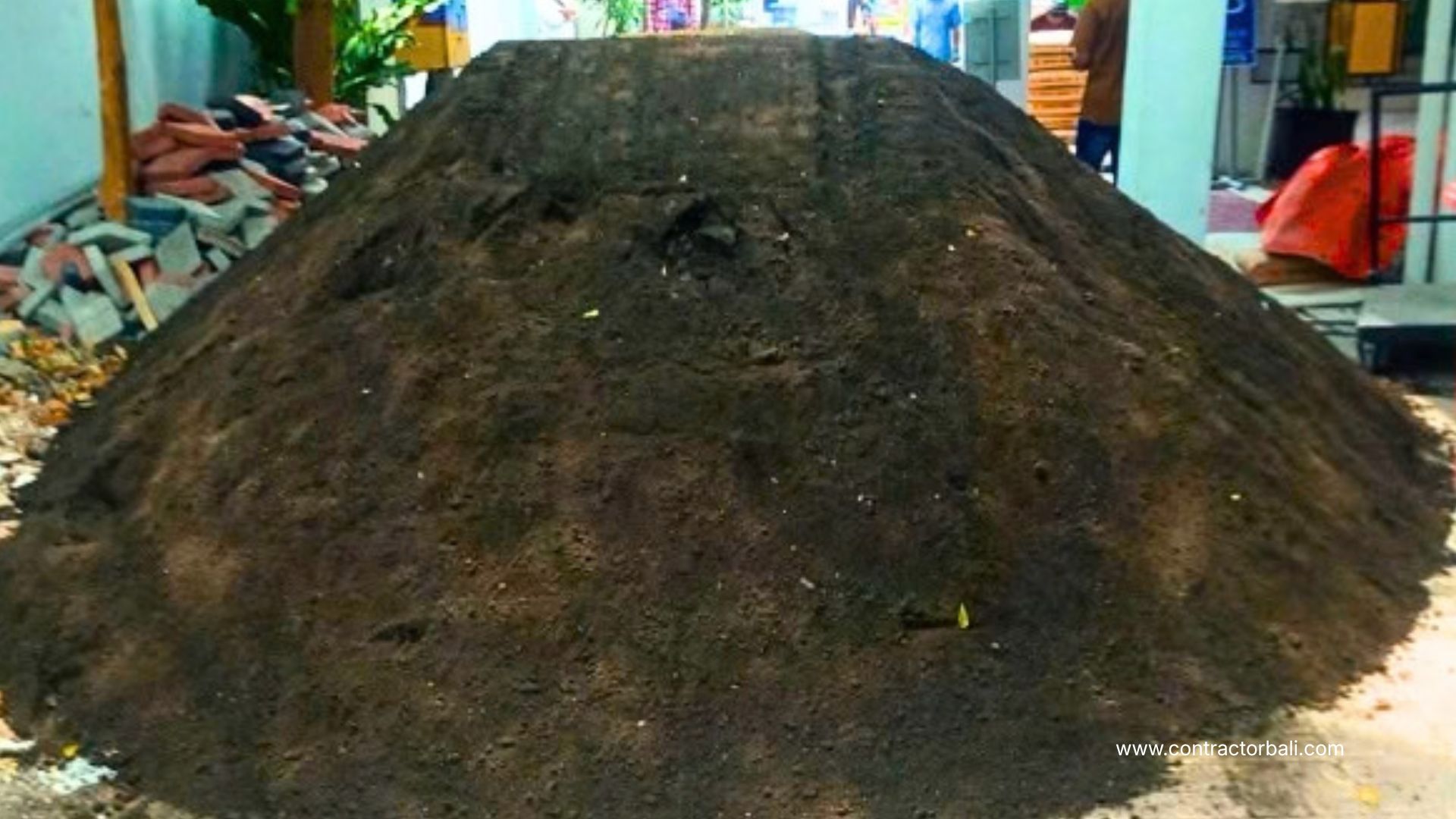
Advantages | Disadvantages | Used for |
|---|---|---|
+ Easy to level during application + Suitable for mortar (bricklaying) | – Not as strong as concrete sand | * Wall plastering * Brick or block mortar |
3. Fine Sand (Sifted Sand)
Mortar sand is a type of sand that consists of very fine grains that have been sifted to remove all gravel particles. This type of sand is ideal for finishing work.
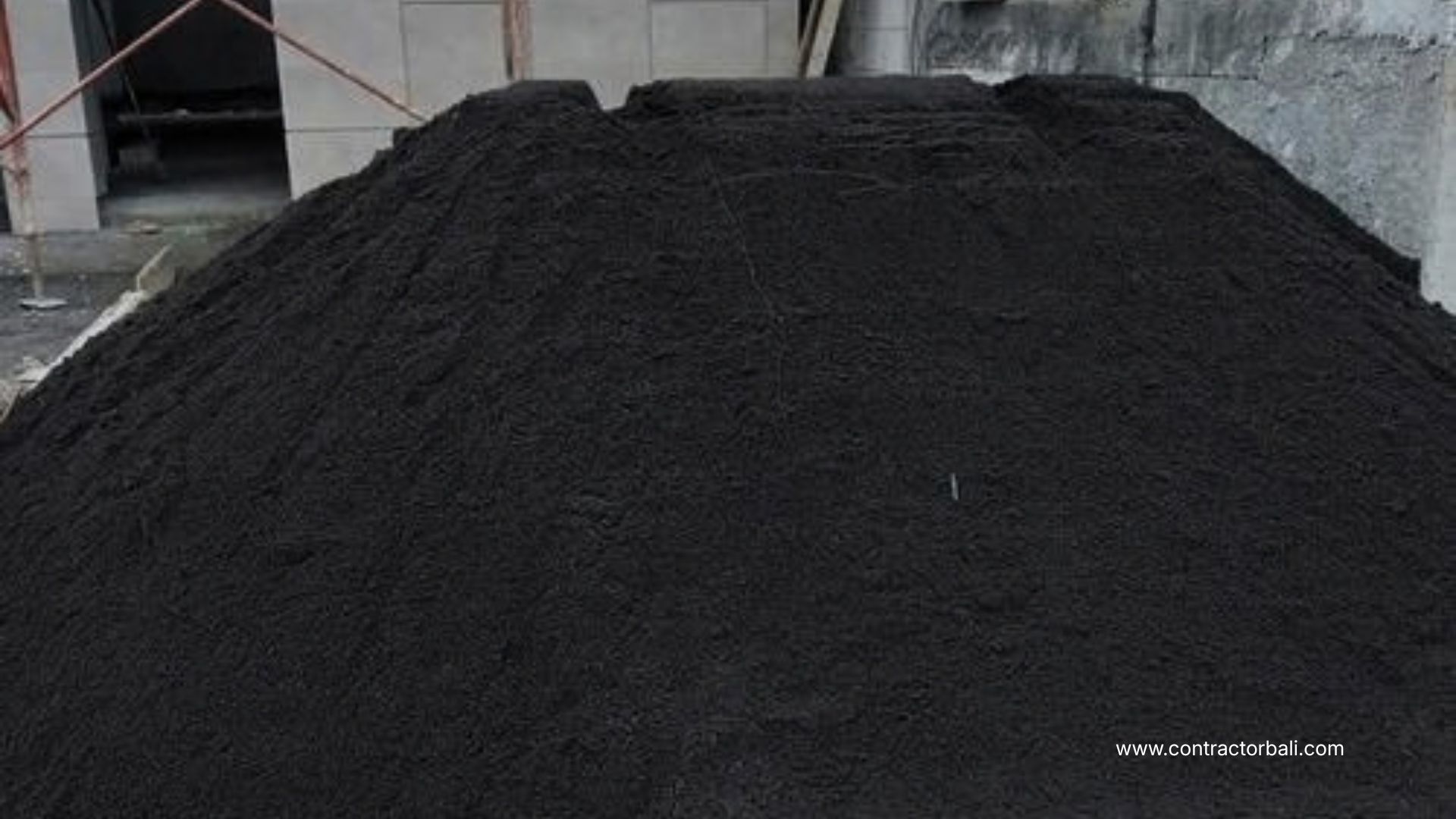
Advantages | Disadvantages | Used for |
|---|---|---|
+ Smoother and neater finish | – Not suitable for building structural mixes | * Plastering * Wall finishing |
4. River Sand
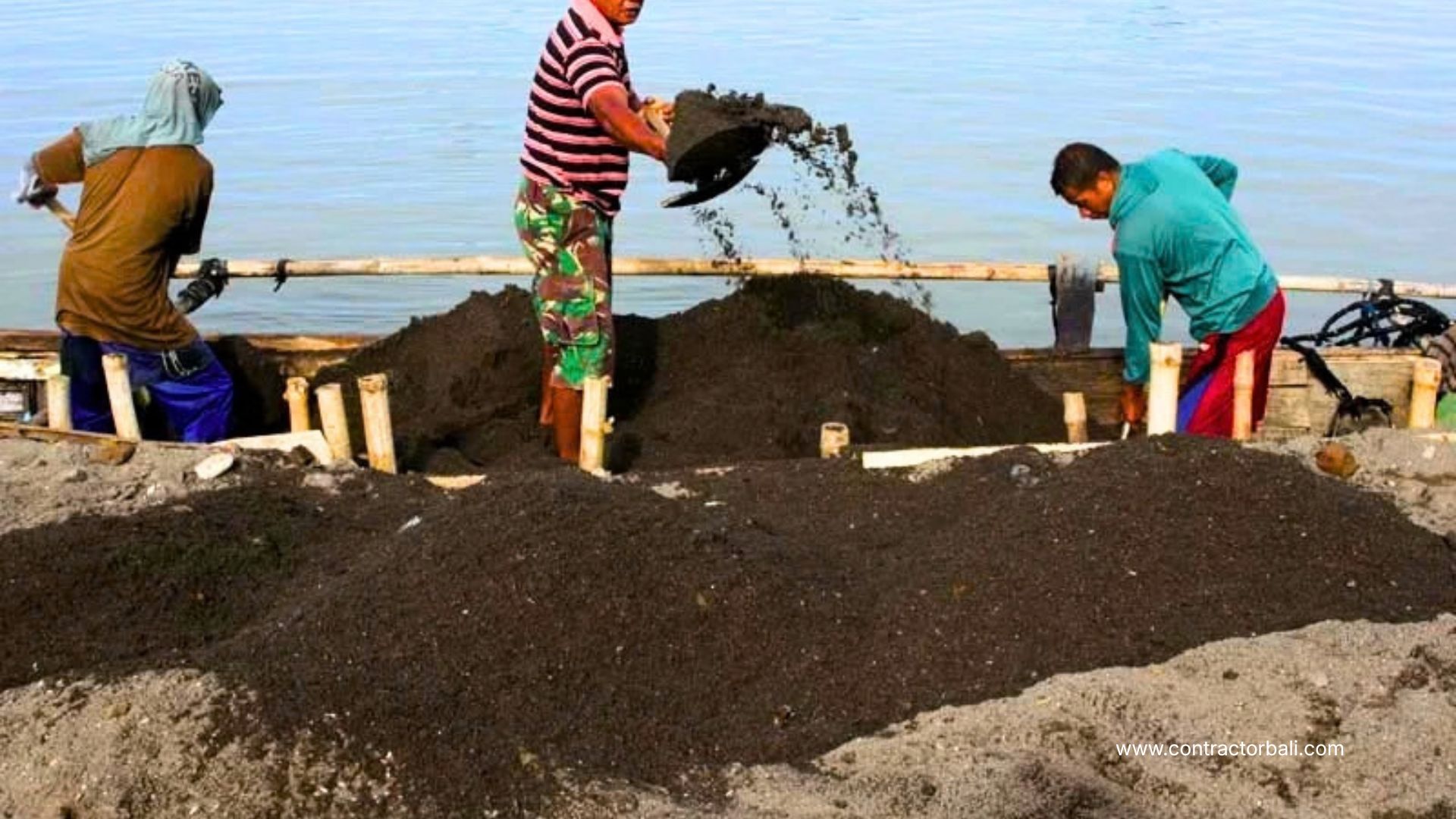
River sand is a type of sand extracted directly from the riverbed. It consists of round, textured grains.
Advantages | Disadvantages | Used for |
|---|---|---|
+ Good quality for concrete mixes | – Must be screened to ensure the particle size is appropriate for the intended use | * Concrete production * Wall plastering |
5. Volcanic Sand (volcanic sand)
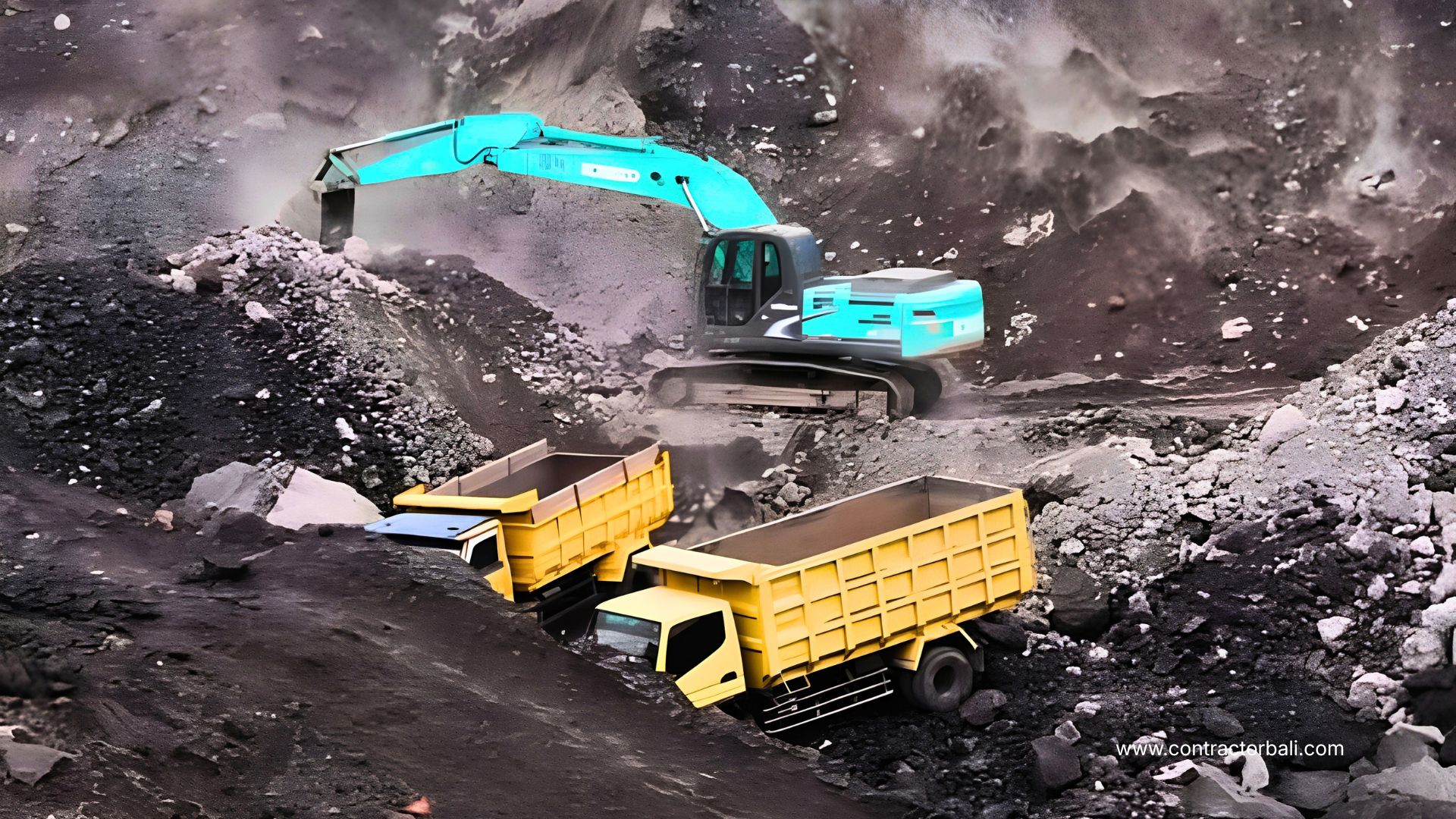
Volcanic sand is a type of sand derived from the weathering of rocks found in mountainous areas; these rocks originate from volcanic eruptions within mountains and can be used in building construction. This sand has a coarse texture and sharp edges on its surface.
Advantages | Disadvantages | Used for |
|---|---|---|
+ Very strong binding strength + Suitable for heavy structures | – Heavier material – Less fine-grained | * Concrete structures |
Summary of Uses:
Sand Type | Primary Uses |
|---|---|
Concrete Sand | Concrete & Structural Applications |
Masonry Sand | Bricklaying & Plastering |
Fine Sand | Finishing |
River Sand | General Purpose |
Mountain Sand | Heavy Duty Structural Applications |
Tips for Choosing High Quality Construction Sand:
- Choose sand with a low silt content.
- For structural work, choose material with sharp, hard grains.
- Use fine sand for plastering and rendering.
- Avoid sand that contains salt or organic material.